Daily Habits, Cultural Norms & Idioms • Level A2-B1
¡Envía ovaciones, puntos dorados y strikes a todos los concursantes conectados!
Open Phase 1: Lexicon Decks. Play native audio for the 6 concept decks. Have students repeat in chorus and individual pairs to master technical phonetics.
Switch to Phase 2: Simulator. Guide learners through the 3 interactive challenges. Ask checking questions: "What happens if we adjust this parameter?"
Assign partner roles in Phase 3: Spoken Dialogues. Students practice the 5 scenario frames, alternating speaker and responder roles in fluent English.
Debate Phase 4: Ethics Dilemmas. Then guide all students to Phase 5: Star Award, click the certificate button, and celebrate with confetti!
| Matrícula | Concursante / Equipo | Rol | Fase Actual | Puntos | Estrellas | Última Respuesta |
|---|---|---|---|---|---|---|
| Cargando concursantes en vivo... | ||||||
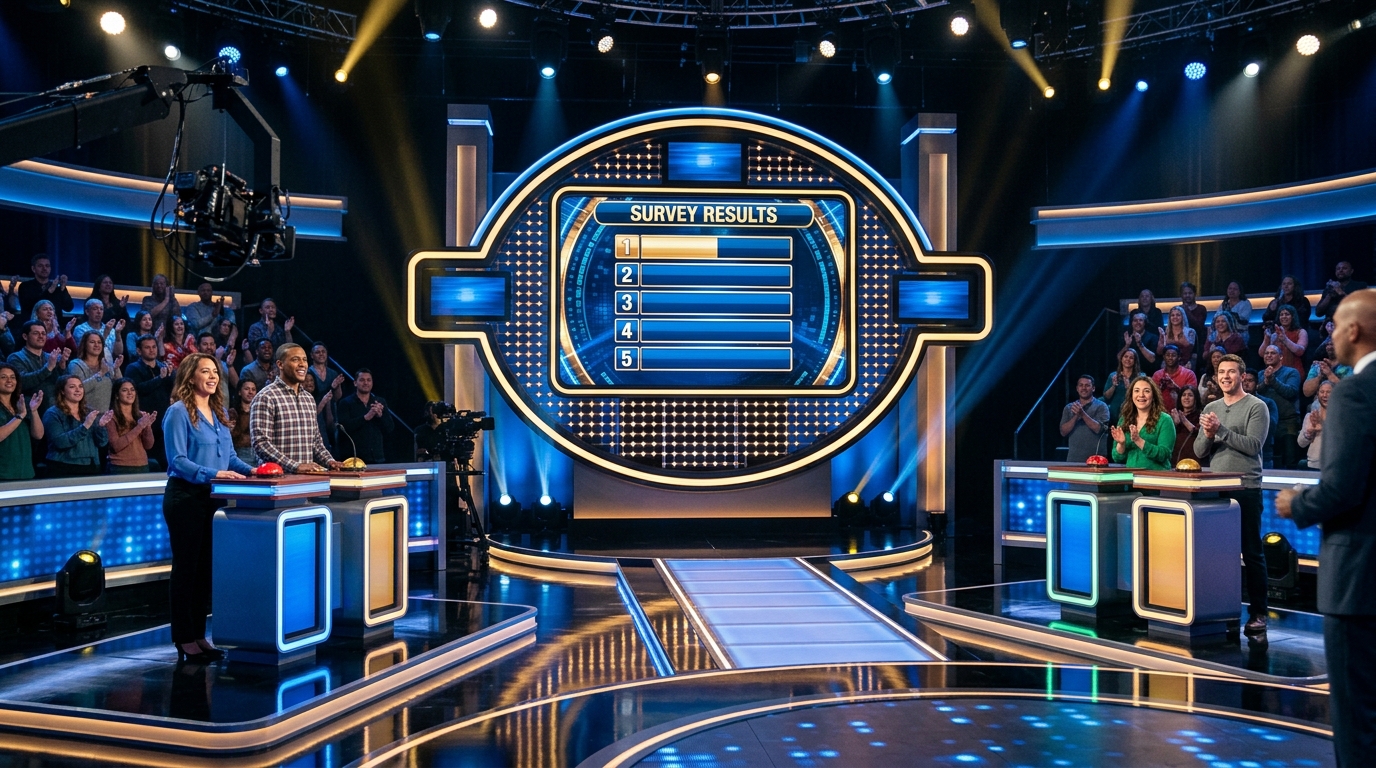
We asked 100 everyday people common questions about daily life, habits, excuses, and social norms. Can you guess the top answers in English?
Click on the speaker icons to listen and practice natural conversational English used in television game shows, social surveys, and cultural habits:
Answer 5 rapid survey questions out loud before time runs out:
In the United States, 18-20% tip is expected for waitstaff, whereas in Japan or Europe, tipping is unusual or included in the service fee.
In professional English contexts, arriving 5 minutes early is considered on time, while in social party settings, being 15 minutes late is standard.
Talking about the weather ("Crazy heat today, huh?") is an essential social icebreaker in North American culture to avoid awkward silences.
When dining out with friends, saying "Let's split the bill" or "Let's go Dutch" means each person pays for their own meal.
Congratulations, Contestant! You have demonstrated exceptional cultural fluency, rapid vocabulary recall, and daily idiom mastery in English!